
Winter Mould & Damp Control: A Melbourne Homeowner's Guide
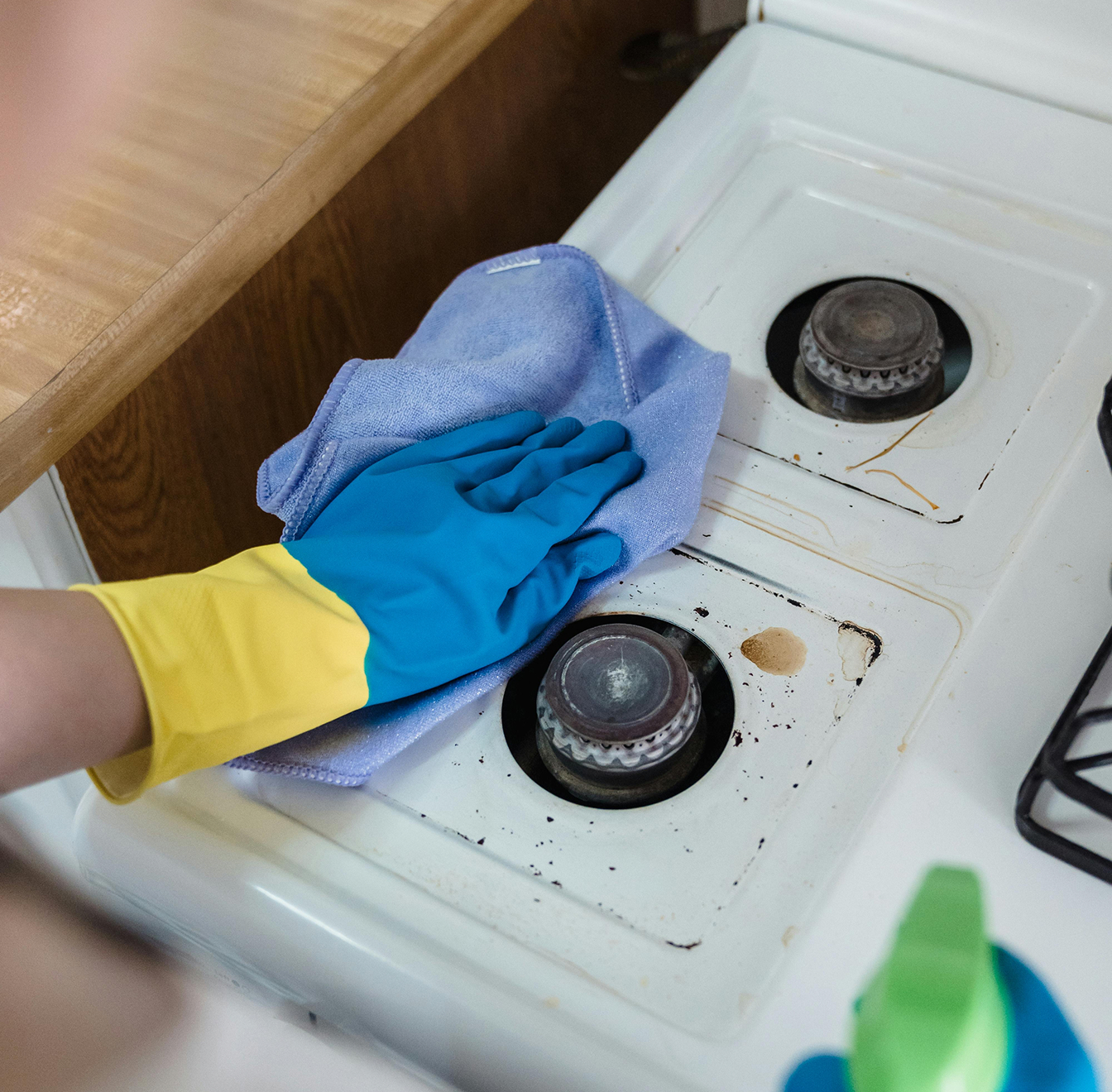
Melbourne winters mean closed windows, running heaters and, all too often, mould creeping into bathrooms, wardrobes and window frames. Cold nights combined with indoor moisture create the perfect breeding ground for mould and mildew — and once it takes hold, it can affect both your home's condition and your family's health.
At Squeaky Lemon, we see the same seasonal patterns every year across Melbourne properties. This guide walks you through why winter mould happens, how to spot it early, and the cleaning habits that keep it under control until spring.
Why Winter Is Peak Mould Season in Melbourne
Melbourne's cool, damp climate is a major contributor to indoor mould growth between June and August. A few key factors combine to make winter especially risky:
- Reduced ventilation — closed windows and doors trap humidity indoors.
- Condensation build-up on windows, walls and ceilings from heating and cold outdoor temperatures.
- Higher indoor humidity from showers, cooking and clothes drying indoors.
- Poor airflow in older homes, units and properties with limited natural ventilation.
Left unchecked, mould can spread from a small bathroom patch to skirting boards, carpets and even furniture within a matter of weeks.
Common Areas Where Mould Hides
Bathrooms and Ensuites
Grout lines, shower curtains, exhaust fans and ceiling corners are prime mould locations due to constant moisture exposure.
Wardrobes and Cupboards
Poor airflow combined with stored damp items (shoes, jackets) makes built-in wardrobes a common hotspot, particularly in south-facing rooms.
Window Frames and Sills
Condensation pooling on glass and frames overnight often leads to black mould spots along sills and rubber seals.
Laundry and Utility Areas
Front-loading washing machines and poorly ventilated laundries are frequently overlooked mould magnets.
How to Treat Existing Mould Safely
If you've already spotted mould, act quickly:
- Ventilate the space before you start — open windows or use an exhaust fan.
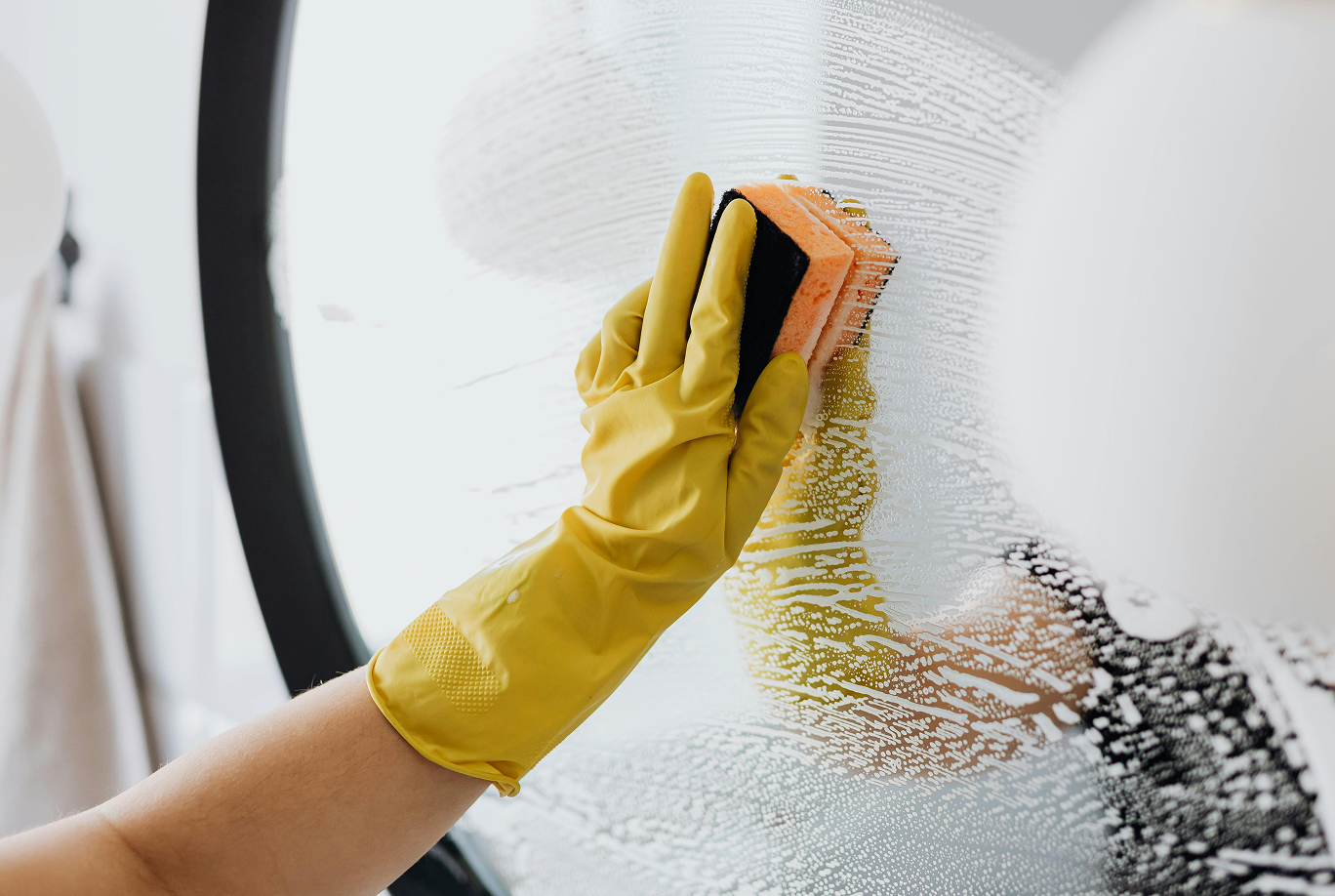
- Wear gloves and a mask to avoid inhaling spores.
- Use a mould-specific cleaner or a diluted vinegar solution for smaller patches.
- Scrub, don't just wipe — mould can regrow if spores aren't fully removed.
- Dry the area completely afterward to prevent immediate regrowth.
For larger infestations, or mould affecting carpets, walls or ceilings, a professional deep clean is the safer and more thorough option — DIY treatments often only address the surface.
Prevention Tips for the Rest of Winter
- Run exhaust fans during and after showers for at least 15–20 minutes.
- Wipe down window sills and frames each morning to remove overnight condensation.
- Avoid drying clothes indoors where possible, or use a dehumidifier if you must.
- Leave wardrobe doors ajar occasionally to improve airflow.
- Check and clean exhaust fan filters monthly.
When to Call in the Professionals
Some situations call for more than a spray bottle and a scrubbing brush. If you're noticing:
- Recurring mould despite regular cleaning
- Musty odours that won't lift
- Mould spreading across multiple rooms
- A property inspection or end-of-lease clean coming up
…it's time for a professional deep clean. Squeaky Lemon's Melbourne deep cleaning teams use targeted treatments to remove mould at the source, not just the surface, leaving your home fresher and healthier through the coldest months.
Book Your Winter Deep Clean in Melbourne Today
Don't let winter mould take hold in your home. Squeaky Lemon's experienced Melbourne cleaning team can tackle bathrooms, wardrobes, window frames and every mould-prone corner of your property.
Book your Melbourne Deep Cleaning service today and breathe easier this winter.